
Fue Hair Transplant Turkey

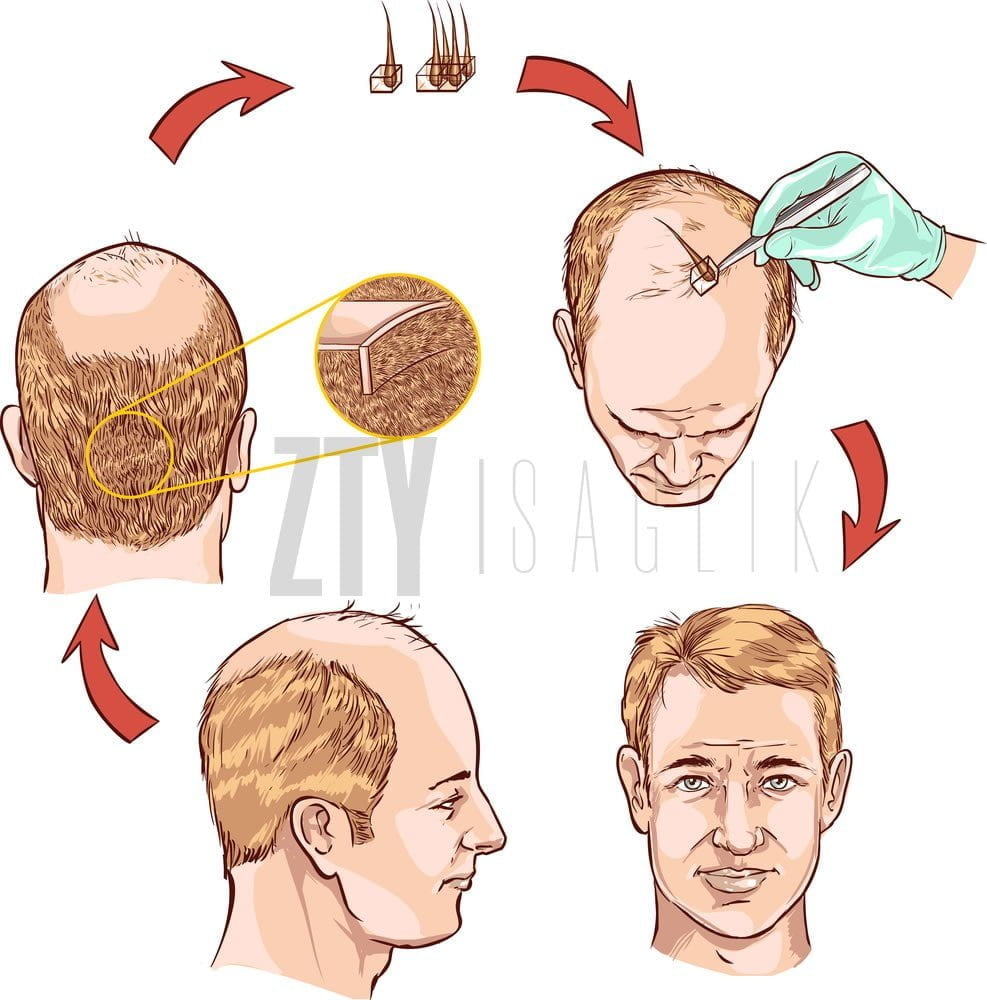
The FUE method (follicular unit extraction) is a meticulous procedure in which single hair is extracted and replanted in designated area. Hair follicles are obtained from the donor area and implanted in the bald area. FUE hair transplant does not leave a visible trace.

Fue Hair Transplant Package

The average cost of FUE Hair Transplant in Turkey is 1800 Euro. The maximum charge for Fue Hair Transplant in Turkey is up to 2200 Euro. The cost for 2025 inclusive package airport pick-up, local transfers, hotel accommodations, interpreter services, unlimited hair transplant procedure, as well as shampoo and lotions. All our operations take place in Nişantaşı, Istanbul.

Level of Baldness No. of Grafts Required Average Cost of FUE Transplant
Level 1 800-1400 1500 Euro
Level 2 2000-2500 1800 Euro
Level 3 3500-4000 2000 Euro
Level 4 Over 4000 grafts 2200 Euro

Procedure – Aftercare

Country and City Turkey – istanbul
Duration 5 – 7 Hour
Anesthesia Local
Duration of stay in Istanbul 4 Days
Persistence of Results Permanent
Pain and Discomfort Partially
Returning to Work 4 Days
First Bath 3 Days
Full Recovery 6 Month
Side effects Swelling and redness
Exercise – Cardio 30 Days
Will there be any scar? Almost Invisible

Fue Hair Transplant Timeline

1. Day

Airport Pickup

Welcoming our patients and placing them in their hotel. Zty Health is contracted with Cityloft Hotels.

2. Day

Operation Day

Hotel / Hospital Transfer. Medical examination. Health and blood tests. Hair Transplant operation.

3. Day

Washing

First hair wash. Removal of stitches. Next hair wash tutorial.

4. Day

Return

Hotel / Airport Transfer by VIP vehicle

Comparative Analysis of FUE Techniques

Feature/Parameter Standard FUE Sapphire FUE DHI (Direct Hair Implantation)
Incision Instrument Steel Slit/Blade Sapphire Blade Choi Implanter Pen (simultaneous incision and implantation)
Recovery Speed Standard (7-10 days) Accelerated (5-7 days) Standard (7-14 days, density-dependent)
Maximum Density Good Very Good (Enables creation of higher-density incisions) Excellent (Facilitates implantation between existing terminal hairs)
Shaving Requirement Full or partial shaving of the recipient area is generally required. Full or partial shaving of the recipient area is generally required. Most suitable technique for an “unshaven” or “no-shave” procedure.
Advantages Cost-effective; suitable for treating large areas of alopecia. Reduced crusting (scab formation), faster wound healing, potential for achieving higher graft density. Precise control over the angle and direction of implantation, minimized graft out-of-body time, unshaven option.
Disadvantages Higher potential for tissue trauma, comparatively slower healing. Higher cost; the outcome is highly dependent on the surgeon’s experience. Longer operative duration, higher cost, requires a highly experienced surgical team.
Ideal Candidates Patients with extensive androgenetic alopecia and budgetary considerations. Patients seeking to achieve maximum density and a highly defined, natural hairline. Patients who wish to avoid shaving, require densification in specific zones, or are undergoing eyebrow/beard transplantation.

Reviews

Visit our Google business account for all patient reviews.

What is micro fue Turkey ?

Micro FUE (Follicular Unit Extraction) is a modern technique used in hair transplantation procedures. The term “micro” in Micro FUE is often used to refer to the use of very small (micro) punches (tools) to harvest individual follicular units from the donor area. The sizes of these punches can range from 0.6mm to 1.0mm in diameter, depending on the surgeon’s preference, patient’s hair characteristics, and other factors.

In a FUE hair transplant in Turkey, individual follicular units (natural groupings of 1-4 hairs) are extracted directly from the patient’s donor area (typically the back and sides of the scalp), and then implanted into the bald or thinning areas of the patient’s scalp. Because of its minimally invasive nature, FUE generally has less post-operative discomfort and quicker recovery time compared to older, traditional methods of hair transplantation.

Micro fue Turkey hair transplant improves upon traditional FUE by further minimizing the scarring in the donor area due to the use of smaller punches. This can result in an even more natural look and less detectability of the procedure. However, the success and outcome of the procedure still largely depend on the skill and experience of the surgeon performing the procedure.

What is an FUE hair transplant?

An FUE hair transplant, or Follicular Unit Extraction, is a modern hair restoration technique. Here’s a simple explanation:

In this procedure, individual hair follicles are removed one by one from a part of your body, usually the back of the head, where the hair is more resistant to balding. Then, these follicles are planted in the areas where you are losing hair. It’s a less invasive method, which means there is no scar left behind, and the recovery time is shorter compared to other methods. Plus, it gives a more natural-looking result. It’s good to note that it might take a few sessions to get the full effect, and it can be a bit costly. It’s a popular choice because it tends to result in a very natural look and has a higher success rate. Before choosing this method, it’s best to have a chat with a hair transplant expert to find out if it’s the right choice for you.

Core Benefits

  1. Least invasive of hair restoration solutions
  2. Quick outpatient process
  3. No scalpel incision or sutures
  4. Minimum discomfort
  5. No linear scar
  6. Faster recovery time
  7. Safe and efficient
  8. Natural results

Is FUE right for me?

Determining if FUE is the right option for you involves considering various factors, and here is a simplified explanation:

Firstly, think about your hair loss pattern. FUE works best for people with certain types of hair loss, usually those who have bald patches but still have a good amount of hair on the back and sides of their head.

Secondly, consider your personal expectations. Do you want a method with minimal scarring and quicker recovery time? If yes, FUE might be suitable for you.

Next, think about your budget. FUE can be quite expensive, especially if you need several sessions. Make sure to consider if you are ready for the financial commitment it requires.

Lastly, it’s important to have a detailed consultation with a hair transplant specialist. They can assess your hair and scalp condition and guide you on the best method for your individual case.

If FUE fits your hair loss pattern, meets your expectations, and suits your budget, it could be the right choice for you. Remember to have a detailed chat with a specialist to make the best decision.

How FUE works

The FUE hair transplant process works in a few clear steps, and here’s a straightforward explanation:

First, the surgeon shaves the donor area, usually the back or sides of your head. Then, using a special tool, they remove individual hair follicles from this area. These are tiny units of 1 to 4 hairs. Next, the surgeon makes tiny holes in the scalp where the hair will go. This is the area where you have thinning or balding. The removed hair follicles are then placed into these holes. Since the follicles are taken one by one, it leaves no noticeable scars and tends to heal fast. This method also allows for a very natural-looking result, as the surgeon can place the hairs with a lot of precision.

After the procedure, you’ll need some time to recover. The new hairs will grow in over the next several months. It might take some time, but the goal is to have a fuller, natural-looking head of hair in the end. Before you decide on this procedure, talk with a specialist to see if it’s the best option for you.

What Are The Risks Of Fue Hair Transplant ?

Follicular Unit Extraction (FUE) hair transplant is generally considered a safe procedure, but like any surgical procedure, it comes with potential risks and complications. Here are some of the most common risks associated with FUE hair transplantation:

  1. Infection and Scarring: While FUE hair transplantation is minimally invasive and typically results in less visible scarring than other methods, there’s still a risk of infection and scarring.
  2. Bleeding: Some bleeding is common during and after the procedure, but in rare cases, excessive bleeding can occur.
  3. Swelling and Pain: Some degree of pain and swelling is to be expected after surgery, especially in the first few days. These are generally manageable with over-the-counter pain medications and should resolve on their own.
  4. Numbness or lack of sensation: Some patients report a temporary loss of sensation in the treated areas. This usually resolves over time.
  5. Unnatural Appearance: If the procedure is not done properly, the transplanted hair may appear unnatural. This is more a risk related to the skill of the surgeon than the procedure itself.
  6. Poor Hair Growth: Not all the transplanted hair follicles will necessarily survive and grow hair. This may result in uneven hair growth or less density than anticipated.
  7. Folliculitis: After a hair transplant, patients may experience inflammation or infection of the hair follicles, known as folliculitis. This is typically a short-term issue and can be treated with antibiotics or compresses.
  8. Shock Loss: This refers to temporary hair loss in the areas surrounding the transplant. This usually recovers over time, but in rare cases, it may be permanent.
  9. Psychological Impact: The recovery process can take several months and the final result may not be apparent for up to a year. Some patients may experience anxiety or disappointment during this period.

Post-Hair Transplant Recovery and Growth Timeline

Timeframe Healing Process and Clinical Observations Hair Growth Status
First 24-72 Hours Mild pain, edema (swelling), and erythema (redness) may be observed in the donor and recipient areas. Swelling can extend to the forehead and periorbital region. Elevation of the head is recommended. Grafts begin to anchor in the recipient sites.
Week 1 (Days 3-10) Formation of scabs or crusts occurs at the recipient sites. The initial hair wash is performed at the clinic. Pruritus (itching) is a normal sign of wound healing. The scabs typically begin to shed between days 7 and 10. No discernible new hair growth is expected at this stage.
Weeks 2-4 Most scabs have exfoliated, and erythema has substantially subsided. The onset of “shock loss” (effluvium) is expected; this is a normal physiological process where the transplanted hair shafts are shed. The transplanted hairs are shed as the follicles enter the telogen (resting) phase.
Months 2-3 The donor and recipient areas are largely healed. The process of shock loss may be complete. Some patients may experience folliculitis, presenting as small, acne-like pustules. The hair follicles remain in the telogen phase. No significant visible growth occurs.
Months 4-6 New hair shafts begin to emerge from the scalp. Initially, they may be fine, thin (vellus-like), and curly in texture. The growth pattern can be asynchronous and irregular. The initial phase of new hair growth becomes apparent. Approximately 40-50% of the final result may be visible.
Months 7-9 The hair continues to increase in length and caliber (thickness). There is a noticeable improvement in hair density and scalp coverage. The rate of hair growth accelerates and becomes more prominent. Approximately 60-70% of the final result can be observed.
Months 10-12 The hair shafts thicken further, lengthen, and acquire their natural texture. The hairline and overall aesthetic appearance are well-established. Approximately 80-90% of the final outcome is achieved. The hair is now long enough for styling.
Months 12-18 This period represents the final maturation phase. The hair has reached its maximum thickness, density, and has fully matured. The final result is realized. The transplanted hair appears completely natural and is fully integrated with the native hair.

Who Should Undergo Fue Hair Transplantation?

Both men and women can opt for Fue hair transplantation. It can be performed in anyone who suffers from hair loss due to genetic factors.

What are the Advantages of Fue Hair Transplant?

  • It has a short healing process since Fue hair technique is not a surgical operation.
  • There is no scarring as hair is transplanted by opening up micro channels.
  • Provides very natural results and leaves behind no marks.
  • Causes no pain as it is performed under local anesthesia.
  • Does not cause damage to hair follicles.

After fue hair transplant

After your FUE hair transplantation at our hair transplant clinic, it’s necessary to rest at the hotel for a day. The following day, we will escort you back to the clinic for a hair wash. And on the day after that, we’ll take you back to the clinic to have the stitches removed.

RELATED: Dhi Hair Transplant

What role do follicular units and grafts play in hair transplantation

Hair follicles are structures that envelop the hair roots in the form of vesicles and are responsible for anchoring, producing and growing hair. When it comes to the FUE and FUT technique, doctors often speak of follicular units. Medicine understands this to mean hairs that grow so close together that they form a group that belongs together. A follicular unit contains up to five hair roots. In modern hair surgery, the surgeons no longer transplant all the hair individually, but transplant whole follicular units at the same time.

This allows for a much more natural end result. The English word Graft means transplant. In the context of hair transplant, this means all follicular units that are removed from the donor area and reinserted in the recipient area. Doctors differentiate between micro- and minigrafts: the former consist of one to two hairs and the latter three to four.

How Many Sessions Are Required?

Number of sessions for Fue hair transplant depends on how many grafts are required. Duration of each session varies according to the number of grafts that will be transplanted. They averagely last 4 to 6 hours.
Fue-Hair-Transplant

What are the Postoperative Instructions?

The donor area should be kept dry in the first three days and no application should be performed other than the solutions given by the doctor. At the end of the third day, the hair should be washed in the clinic and the hair should be washed every day for the next week. In this way, the hair follicles are strengthened. It is necessary to protect the implant area against direct impact during this period.

How Long Does It Take For Hair To Grow After Transplantation?

The hair follicles will completely fall out 3 weeks after the surgery. This is also called shock hair loss. The follicles remain in the transplantation area during this process. The follicles remaning in the waiting phase for 90 days begin to grow back after the shedding process. The hair grows back in patches and the hair restoration is completed within about 8-10 months. hair transplant turkey

Does the Transplanted Hair Fall Out?

The transplanted hairs do not fall out since the follicles are taken from the area which is genetically resistant to hair loss.

 Where  It is Performed?

The hair transplantation procedure is performed in our clinic in Istanbul.

RELATED: Beard Transplant

FUE Risks

There are common risks associated with all types of surgery. Possible complications are like infection, excess bleeding, unsatisfactory results, and pain. FUE carries some unique risks. The most common are the risk of follicle damage, as each follicular unit I directly extracted from the scalp. When a follicle is damaged, it is unlikely to produce hair when inserted within the scalp. The hairline should be studied well in the FUE technique. To create a natural hairline in the FUE technique is difficult.

What is FUE Technique?

As you know in hair transplantation, hair follicles are extracted from the forehead from the nape area. It is transplanted to the bald area. In the FUE technique, hair follicles are extracted one by one manually from the forehead. This is a painstaking task. These grafts, which are removed one by one, are separated according to their directions. During the planting phase, each hair follicle is dealt with separately by transplanting to the bald area one by one. The FUE technique gives successful results. Labor and art lie beneath this. In hair transplantation with FUE, hair follicles are not taken only from the nape area. If necessary, follicle units can be collected from many parts of the body, including the chest, arms, legs, and back.
Fue-Hair-Transplantation-in-Turkey

Who is a good candidate for FUE?

Every patient prefers the FUE technique because of its high success rate and a scarless method. However, some patients may not be suitable for the FUE technique. FUE is a better fir for patients who:

Having enough hair follicles, have straight and wavy hair texture, have limited scalp elasticity, people who should not have very curly hair, not having excessive hair loss, patients who want to cover wounds or trauma scars. The FUE technique may be preferred in patients to need to get bck to work or resume other duties quickly.

Why Fue Turkey ?

  • Having the best fue hair transplant centers in Turkey.
  • The costs are very, very low compared to Europe and America.
  • Opportunity to visit the historical places of Turkey.
  • The use of advanced technologies such as micro fue in Turkey.
  • Low cost per graft in Turkey.
  • High competition in Fue hair transplant in Turkey. Handcrafted from the highest level.

Our location on the map

FAQ

A hair transplant is a surgical procedure where hair follicles are moved from a part of the body known as the donor site, to a bald or balding part of the body referred to as the recipient site. This procedure is used to treat both male and female balding patterns, hair loss due to accidents or trauma, and it can also be used to restore areas around the eyes like eyelashes and eyebrows or areas around the beard, chest, and occasionally the pubic area.

There are two types of hair transplant procedures available in Turkey based on the harvesting of the donor site: Strip harvesting and Follicular unit extraction (FUE). Depending on the type of equipment used during the procedure, it can either be a manual hair transplant or a robotic hair transplant.

Turkey is a popular destination for hair transplant procedures among foreigners because the doctors and surgeons provide high-quality care. Moreover, many hospitals in Turkey are equipped with the latest medical devices, and they offer these services at a lower cost compared to other countries.

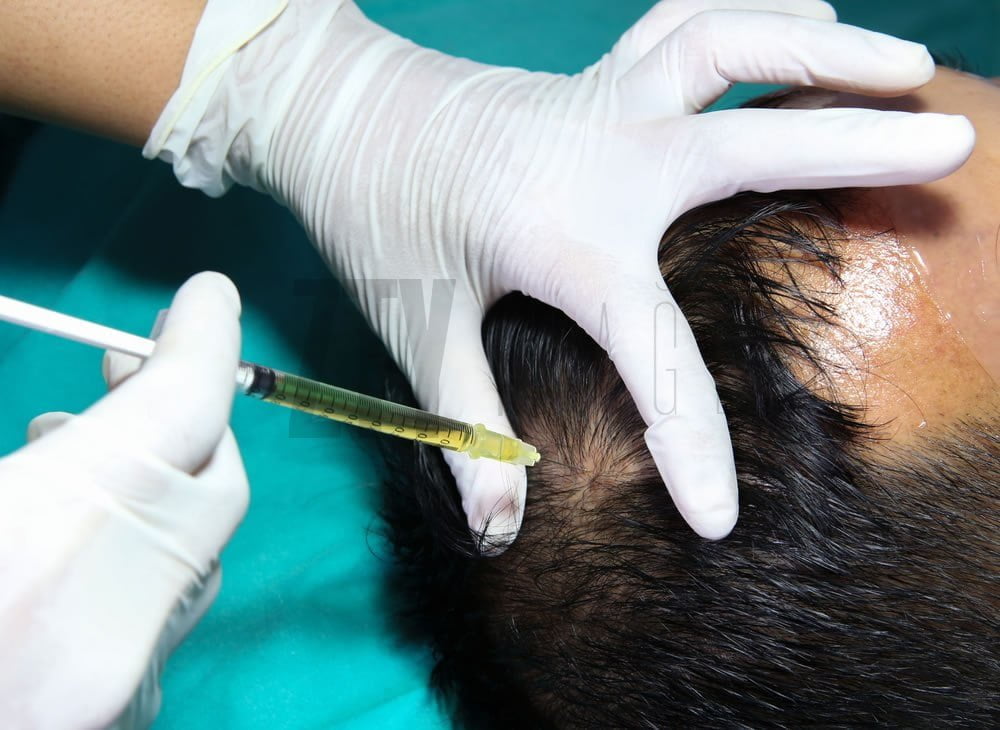
PRP treatment, also known as platelet-rich plasma treatment, is a procedure used in the early stages of patchy hair loss. It involves extracting platelet-rich plasma from the patient’s blood and injecting it into the bald spots.

Our protocol for determining the maximum safe graft yield involves a multi-factorial donor area assessment to prevent the sequelae of overharvesting. The core components include:

  • Quantitative and Qualitative Analysis: We conduct a meticulous microscopic evaluation (trichoscopy) to measure follicular unit (FU) density per square centimeter (), hair shaft caliber (thickness), and the ratio of single vs. multi-hair follicular units.
  • Total Donor Capacity Calculation: The total surface area of the stable, permanent donor zone (occipital and parietal scalp) is measured. This data, combined with the FU density, allows us to calculate the total available follicular reserve.
  • Safe Extraction Ratio: We adhere to a conservative extraction ratio, generally not exceeding 25-30% of the total follicular units from the permanent zone over a patient’s lifetime. This ensures that the residual hair density is sufficient to maintain a visually dense appearance and avoids a depleted, “moth-eaten” look (iatrogenic alopecia).
  • Strategic Harvesting Pattern: Extractions are performed in a diffuse, non-linear pattern to avoid concentrating excisions in any single area. This maintains homogeneity and minimizes the visibility of micro-scars.

This comprehensive approach ensures the long-term aesthetic integrity of the donor area while maximizing the graft yield for the current procedure.

Our hairline design philosophy is predicated on long-term aesthetic sustainability, ensuring the result remains natural throughout the patient’s life. The protocol involves several key principles:

  • Designing a Mature Hairline: We fundamentally avoid creating an aggressive, juvenile (low and flat) hairline. Instead, we design a conservative, age-appropriate hairline that incorporates a degree of natural temporal recession. This ensures the hairline will complement the patient’s facial features as they naturally mature, preventing an anachronistic or artificial appearance in later years.
  • Respecting Anatomic Landmarks and Facial Morphology: The design is guided by established craniofacial proportions (e.g., the rule of thirds) and critical anatomical landmarks, such as the superior border of the frontalis muscle. Placing the hairline above this muscle is crucial for it to remain static and natural during facial expression.
  • Creating a Naturalistic Transition Zone: A natural hairline is not a hard line. We replicate nature by creating a soft, feathered “transition zone” using exclusively single-hair follicular units in the anterior-most 1-2 rows. These are placed in a deliberately irregular, staggered pattern to mimic the micro-irregularities of a native hairline.
  • Strategic Follicular Unit Distribution: Following the soft frontal zone, we progressively increase density by strategically placing two-hair, and then three-hair, follicular units more posteriorly. This creates a seamless gradient of density from front to back.
  • Anticipating Future Hair Loss Progression: We assess the potential for future progression of androgenetic alopecia based on age, family history, and the degree of hair miniaturization. The hairline is designed to integrate seamlessly even if further native hair loss occurs behind the transplanted zone, thus avoiding an isolated “island” of hair in the future.

Maximizing the ex vivo viability of follicular unit grafts is a critical determinant of surgical outcome. Our intraoperative protocol integrates a multi-faceted approach to mitigate ischemic-reperfusion injury and cellular stress from the moment of extraction to implantation:

  • Advanced Storage Medium: Grafts are immediately immersed in a chilled, state-of-the-art biopreservation solution. We utilize a specialized, pH-balanced, nutrient-fortified medium, such as HypoThermosol, supplemented with Adenosine Triphosphate (ATP). Unlike standard isotonic saline, this solution is specifically engineered to:
    • Counteract acidosis by providing buffers.
    • Provide essential nutrients and electrolytes to support cellular metabolism.
    • Deliver a direct intracellular energy source (ATP) to compensate for the lack of blood supply.
    • Minimize free radical damage and apoptosis (programmed cell death) during the hypothermic state.
  • Strict Temperature Control (Therapeutic Hypothermia): The grafts are maintained in a consistent, chilled environment, typically between 4°C and 8°C. This controlled hypothermia significantly reduces the metabolic rate and oxygen demand of the follicular cells, thereby prolonging their viability outside the body. Grafts are stored in petri dishes placed on a sterile cooling device to ensure a stable temperature throughout the procedure.
  • Minimization of “Out-of-Body” Time: We implement a highly efficient workflow to minimize the total ischemic time. This is achieved by:
    • Strategic Team Coordination: Our surgical team works in a synchronized manner, where graft extraction and implantation phases may overlap.
    • Pre-making Recipient Sites: In many cases, recipient sites are created before or concurrently with the extraction phase. This allows technicians to begin implanting the first harvested grafts immediately, significantly shortening their time in the holding solution.
  • Continuous Hydration and Atraumatic Handling: Dehydration can cause irreversible damage to the follicular sheath. Grafts are kept fully submerged in the holding solution. Furthermore, all handling is performed with fine-tipped forceps under magnification to prevent any mechanical trauma, such as crushing or tearing, which could compromise the integrity of the dermal papilla and other vital structures.

Preserving the long-term viability of the donor area is a fundamental principle of ethical and strategic hair restoration. We treat the donor zone as a finite, invaluable resource. Our protocol for ensuring its integrity for potential future sessions is built on a foundation of meticulous long-term planning, beginning with the very first procedure.

1. Comprehensive Donor Capacity Analysis (DCA): Before the initial surgery, we perform a detailed quantitative analysis of the donor area. This involves:

  • Densitometry: Using high-magnification trichoscopy, we measure the follicular unit density per square centimeter (), hair shaft caliber (thickness), and the ratio of 1, 2, 3, and 4-hair follicular units.
  • Total Donor Area Mapping: We calculate the total surface area of the stable donor zone (the occipital and parietal regions resistant to androgenetic alopecia).
  • Calculating Total Lifetime Reserve: By combining these metrics, we calculate the patient’s Total Donor Capacity (TDC). This gives us an accurate estimate of the total number of follicular units that can ever be safely harvested over a lifetime.

2. The Principle of Conservative and Staged Extraction: Our primary strategy is to avoid over-harvesting in a single session. We adhere to a strict lifetime extraction limit, never exceeding 25-30% of the patient’s TDC. For the initial procedure, we only extract the number of grafts necessary to achieve the immediate aesthetic goals, deliberately leaving a significant portion of the reserve untouched for the future. This ensures the donor area maintains sufficient density to appear aesthetically normal and provides a robust supply for a potential second or even third procedure decades later.

3. Strategic and Diffuse Harvesting Technique: The pattern of extraction is as critical as the number of grafts taken. We employ a diffuse, non-contiguous harvesting technique:

  • Grafts are extracted in an irregular, homogenous pattern across the entire safe donor zone.
  • We intentionally leave several native follicular units untouched around each extraction site. This technique avoids creating any focal areas of thinning or depletion (iatrogenic alopecia or a “moth-eaten” appearance) and preserves the uniform look of the donor area. This makes subsequent harvesting sessions both feasible and safe, as the surgeon can work between the microscopic scars of the first procedure.

4. Maximizing Efficiency with Graft Selection: We strategically harvest grafts to maximize the aesthetic impact. This means we prioritize the use of multi-hair follicular units (those containing 2, 3, or 4 hairs) for areas requiring density, which provides more coverage with fewer extractions. This efficient approach helps to achieve the desired result while minimizing the “cost” to the donor bank.

5. Strong Recommendation for Medical Management: As previously discussed, we strongly advise patients to maintain a medical regimen (e.g., Finasteride, Minoxidil). By stabilizing or reversing the miniaturization of non-transplanted native hair, this therapy directly reduces the future demand on the donor supply. A stable patient may only need a smaller, targeted session years later, rather than a large one, further preserving their finite donor resources.

In essence, our approach is akin to responsible financial planning. We assess your total assets (donor hair), plan for your entire lifespan, and “spend” those assets wisely and conservatively to ensure you have enough in reserve for any future needs.

We are fully committed to providing comprehensive and continuous care to our international patients, extending long after they have returned home. Our remote follow-up protocol is designed to be seamless, responsive, and accessible.

Here is the structured process you can expect:

1. Your Dedicated Patient Coordinator: From the moment you leave our clinic, your primary point of contact remains your dedicated Patient Coordinator. This individual, with whom you will have built a relationship during your time here, is fluent in your language and is your direct liaison to our medical team. They are responsible for managing all your postoperative communications.

2. Communication Channels: We utilize modern, convenient communication platforms to make follow-up easy and effective, regardless of your location. These include:

  • WhatsApp & Secure Messaging Apps: For quick questions, sending progress photos, and immediate text-based communication.
  • Email: For more detailed inquiries, sending high-resolution images, or for formal documentation.
  • Scheduled Video Consultations: For in-depth discussions that require face-to-face interaction with the medical team.

3. The Follow-up Process for a Non-Urgent Query: Should you have a question or concern (e.g., regarding your growth rate, scalp sensitivity, or a specific question about hair care), the process is straightforward:

  • Step 1 – Initial Contact: You will reach out to your Patient Coordinator via your preferred method (e.g., WhatsApp). You will be asked to describe the issue and provide clear, well-lit photographs or a short video of the area in question.
  • Step 2 – Medical Team Review: Your coordinator immediately forwards all the information and visual data to our clinical review team, which includes your surgeon. The surgeon assesses the situation based on the provided materials and your patient file.
  • Step 3 – Coordinated Response: The Patient Coordinator will relay the surgeon’s feedback, analysis, and recommendations back to you. This typically includes a clear explanation of what you are observing (which is often a normal part of the healing or growth process) and specific instructions or reassurance.
  • Step 4 – Scheduled Video Consultation (If Necessary): If the surgeon determines that a more detailed discussion is required, or if you request it, your coordinator will schedule a video call with you and a member of our medical team, often the surgeon themselves. This allows for a direct, real-time conversation to address all your concerns thoroughly.

Conclusion: Our system ensures that you are never left without support. You will be speaking with a familiar coordinator who acts as your advocate and a direct bridge to our expert medical staff. The distance is not a barrier to receiving the highest standard of postoperative care and guidance throughout your entire 18-month hair growth journey.

Several factors need to be considered for hair transplants in Turkey, including the total number of grafts needed, the area of baldness to be treated, the number of sessions required, the patient’s skin condition, hair texture, and the direction of hair loss/growth, the extent of hair loss, and the patient’s expectations.

In most cases, a single session is sufficient for a successful hair transplant. However, individuals with extensive hair loss or those aiming for optimal results may require multiple sessions.

Yes, the type of hair transplant surgery can affect the cost. The two main methods used are follicular unit transplantation (FUT) and follicular unit extraction (FUE). FUT involves cutting a strip of skin from the back of the head, while FUE is a newer technique that doesn’t require a strip. The cost of a hair transplant in Turkey may vary depending on the chosen procedure.

Hair transplant procedures are typically considered cosmetic and are not covered by health or medical insurance. Patients are responsible for covering the full cost of the procedure and any associated expenses.

Patient safety is our paramount concern. While hair transplantation is a minimally invasive procedure with a very high safety profile, our clinic is fully prepared to manage rare medical emergencies with a robust and well-rehearsed protocol. Our preparedness is structured around four key areas:

1. Continuous Intraoperative Monitoring: Every patient is connected to continuous vital sign monitoring throughout the procedure. This includes:

  • ECG (Electrocardiogram): To monitor cardiac rhythm and rate.
  • Non-Invasive Blood Pressure (NIBP): For continuous blood pressure assessment.
  • Pulse Oximetry (): To monitor blood oxygen saturation levels. This continuous surveillance allows for the immediate detection of any adverse physiological changes.

2. On-Site Advanced Emergency Equipment (Crash Cart): Our operating room is equipped with a comprehensive emergency crash cart that is regularly checked and maintained. Key components include:

  • Airway Management: Medical oxygen supply, bag-valve-mask (BVM) resuscitator, endotracheal intubation set, and suction apparatus to ensure airway patency.
  • Defibrillator: An Automated External Defibrillator (AED) is immediately available for the management of life-threatening cardiac arrhythmias like ventricular fibrillation.
  • Intravenous (IV) Access Supplies: A full set of IV catheters, tubing, and crystalloid solutions (e.g., Normal Saline) for rapid vascular access and fluid resuscitation.

3. Comprehensive Emergency Pharmacological Agents: We maintain a full stock of essential emergency medications necessary to manage a range of critical events, including:

  • For Anaphylaxis: Epinephrine (Adrenaline) is the first-line treatment. We also have injectable corticosteroids (e.g., Hydrocortisone) and antihistamines (e.g., Diphenhydramine).
  • For Cardiac Events: Atropine (for bradycardia), Amiodarone (for arrhythmias), Aspirin, and Nitroglycerin are available.
  • For Seizures: Benzodiazepines such as Diazepam or Midazolam.
  • For Hypertensive/Hypotensive Crisis: A range of vasopressors and antihypertensive agents.

4. Standardized Emergency Protocols and Staff Training:

  • ACLS/BLS Certified Staff: Our lead surgeon and key clinical staff are certified in Advanced Cardiovascular Life Support (ACLS) and Basic Life Support (BLS). This ensures a systematic and effective response based on internationally recognized guidelines.
  • Emergency Response Protocol: In the event of an emergency, a clear protocol is initiated. This involves ceasing the procedure, immediate patient assessment (A-B-C: Airway, Breathing, Circulation), activation of the internal emergency team, administration of appropriate medical intervention, and—if necessary—activating the local emergency medical services (EMS/112) for transfer to a nearby hospital with which we have an established relationship.
  • Regular Drills: Our team conducts periodic simulation drills to ensure that our response to any potential emergency is swift, coordinated, and proficient.

Our clinic is committed to patient satisfaction and achieving the mutually agreed-upon aesthetic goals. We stand behind the quality of our work. Our policy regarding suboptimal outcomes is transparent and structured as follows:

1. Final Outcome Assessment (Postoperative Months 12-18): We require a full 12 to 18-month period to elapse before making a definitive assessment of the surgical outcome. This timeframe is physiologically necessary for all transplanted follicular units to complete their growth cycles and for the hair shafts to fully mature in caliber and length, revealing the final density.

2. Objective Evaluation Protocol: If a patient expresses dissatisfaction at the 18-month mark, we schedule a formal follow-up consultation. The evaluation is an objective, evidence-based process:

  • Photographic Comparison: We conduct a detailed comparison of high-resolution preoperative photographs with current photographs, taken under standardized lighting and angles.
  • Microscopic Analysis (Trichoscopy): We use trichoscopy to assess the density, caliber, and health of both transplanted and native hair in the recipient and donor areas. This helps to quantify the actual growth yield.
  • Review of Surgical Records: We cross-reference the findings with the original surgical plan, which details the exact number of grafts implanted and their precise distribution.

3. Defining “Significant Undergrowth”: An unsatisfactory result is clinically defined as a growth yield significantly below the medically accepted standard of 80-90%. If our objective evaluation determines that the yield is below this threshold, and other confounding factors have been ruled out, we consider it a case of suboptimal growth.

4. Revision Procedure Policy (“Touch-Up” Session): Should we conclude that the growth is inadequate due to a procedural factor on our part, our policy is to offer a corrective or “touch-up” procedure. This is offered under the following conditions:

  • Adherence to Postoperative Protocol: The patient must have strictly followed all prescribed postoperative care instructions, as non-compliance can significantly impair graft survival and final results.
  • Exclusion of Patient-Related Factors: The suboptimal result must not be attributable to undisclosed pre-existing medical conditions, the development of new dermatological or systemic diseases that cause hair loss (e.g., Alopecia Areata, Lichen Planopilaris), or failure to manage the progression of native androgenetic alopecia with recommended medical therapies (e.g., Finasteride, Minoxidil).
  • Sufficient Donor Reserve: The patient must have an adequate remaining donor hair reserve to safely harvest additional grafts for the corrective procedure without compromising the aesthetic integrity of the donor area.

5. Terms of the Revision Procedure: If these conditions are met, our clinic will typically offer a subsequent session to add density. Depending on the specific circumstances and the number of grafts required, this procedure is often performed at a significantly reduced cost or, in some cases, with only the cost of surgical consumables being charged to the patient. The exact terms are determined on a case-by-case basis following the comprehensive evaluation.

Your question is exceptionally insightful and addresses the cornerstone of a successful, long-term hair restoration strategy. Our clinical position is unequivocal: we strongly advocate for the integration of medical therapy as a crucial adjunct to hair transplantation for most patients with androgenetic alopecia (AGA).

Here is our detailed recommendation and the clinical rationale behind it:

1. The “Two-Pronged” Approach: The most effective strategy for managing AGA is a dual approach:

  • Restoration (Surgery): FUE transplantation is the definitive method for restoring hair density to areas that have already experienced significant follicular miniaturization and loss.
  • Preservation (Medical Therapy): Pharmacological intervention is the primary method for stabilizing the underlying progressive condition. It aims to protect existing, non-transplanted native hair from future miniaturization and loss.

Without the preservation component, the patient risks a “chasing the hair loss” scenario, where the transplanted hair remains permanent, but the native hair behind and around it continues to recede, potentially leading to an unnatural appearance and the need for future surgeries.

2. Core Medical Therapy Recommendations:

  • For Male Patients (Male Pattern Baldness):
    • Finasteride (Oral): We consider Finasteride (a 5-alpha-reductase inhibitor) the first-line medical treatment for men. Its mechanism is to systemically reduce levels of Dihydrotestosterone (DHT), the primary androgen responsible for follicular miniaturization. It is highly effective at stabilizing hair loss and can increase hair counts and caliber in a significant percentage of patients, particularly in the vertex and mid-scalp. We recommend it as the foundational therapy to protect the long-term aesthetic outcome of the surgery.
    • Minoxidil (Topical or Oral): Minoxidil is a growth stimulant that works by promoting local vasodilation and prolonging the anagen (growth) phase of the hair cycle. It is highly effective and often recommended for use in conjunction with Finasteride for a synergistic, more powerful effect.
  • For Female Patients (Female Pattern Hair Loss):
    • Minoxidil (Topical or Oral): Minoxidil is the FDA-approved cornerstone of treatment for female pattern hair loss. It has been clinically proven to slow progression and stimulate regrowth in many women. We recommend it as the primary medical intervention.
    • Anti-androgens (e.g., Spironolactone): In select cases, particularly where there are signs of hyperandrogenism, oral anti-androgen medications may be prescribed off-label by a dermatologist or endocrinologist to help counteract the hormonal component of the hair loss.

3. The Long-Term Perspective: It is crucial to understand that these medications are long-term treatments, not cures. Their benefits are sustained only through continuous use. Initiating medical therapy before, during, or immediately after a hair transplant provides the highest probability of maintaining a dense, natural-looking result for decades to come by creating a stable foundation of native hair to support the transplanted grafts.

Conclusion: Our formal recommendation is that all suitable candidates for hair transplant surgery also have a thorough consultation about initiating and maintaining a long-term medical management regimen. This comprehensive approach ensures that we are not only restoring what is lost but are also proactively protecting what you still have.

Maximizing the ex vivo (outside the body) viability of follicular unit grafts is one of the most critical factors determining the ultimate success of a hair transplant procedure. From the moment they are extracted, the grafts are deprived of their blood supply and, consequently, their source of oxygen and nutrients. To protect them against this ischemic state, we implement a multi-layered, scientific protocol:

1. Therapeutic Hypothermia and Advanced Storage Solutions:

  • Temperature Control: Immediately upon extraction, grafts are placed in sterile petri dishes which rest on a specialized cooling device, maintaining a constant temperature between 4°C and 8°C. This state of “therapeutic hypothermia” dramatically lowers the metabolic rate and oxygen demand of the follicular cells. This allows the cells to conserve their energy reserves for a much longer period and minimizes the risk of ischemic injury.
  • Customized Biopreservation Solution: Instead of using standard isotonic saline, we immerse the grafts in a specialized, pH-balanced, and nutrient-rich storage solution, such as HypoThermosol, fortified with ATP (Adenosine Triphosphate). These solutions, similar to those used in organ transplantation, serve several critical functions:
    • Provide Energy: They supply ATP, the cellular energy unit, directly to the cells to compensate for the lack of blood flow.
    • Maintain pH Balance: They contain buffers that neutralize the acidic environment that develops during ischemia.
    • Reduce Cellular Stress: They include antioxidants and compounds that prevent free-radical damage and apoptosis (programmed cell death).

2. Minimization of “Out-of-Body” Time (Ischemic Time):

  • Synchronized Teamwork: The procedure is executed with a high degree of synchronization between the surgeon and the technicians. While grafts are being extracted, they are simultaneously being sorted and prepared for implantation.
  • Strategic Phasing: The operation is planned to create an efficient workflow between the “extraction” and “implantation” phases. Recipient site creation (if not using DHI) and extraction are strategically sequenced so that the first grafts harvested are the first to be implanted. This ensures that no graft remains outside the body for longer than absolutely necessary.

3. Atraumatic Handling and Continuous Hydration:

  • Microscopic Precision: All graft sorting and handling are performed under high-magnification microscopes or surgical loupes. Our technicians use specialized, fine-tipped forceps designed to grasp the grafts only by the protective tissue sheath. We strictly avoid any mechanical trauma (crushing, tearing, or bending) to the most vital parts of the follicle, namely the dermal papilla and the bulge region.
  • Prevention of Desiccation (Drying Out): Dehydration is one of the greatest threats to graft survival and can cause irreversible damage within seconds. Therefore, the grafts are kept fully submerged in the holding solution at all times until the very moment of implantation.

In summary, our strategy for preserving graft viability is based on putting them into a controlled state of hibernation (hypothermia and specialized solution), limiting this state to the shortest possible duration (efficient workflow), and treating them with absolute precision throughout the process (atraumatic handling). This meticulous protocol ensures that every single graft is transferred to its new location with the highest possible potential for survival and robust growth.

Last Update: 15.10.2025