Hair transplant Repair Turkey

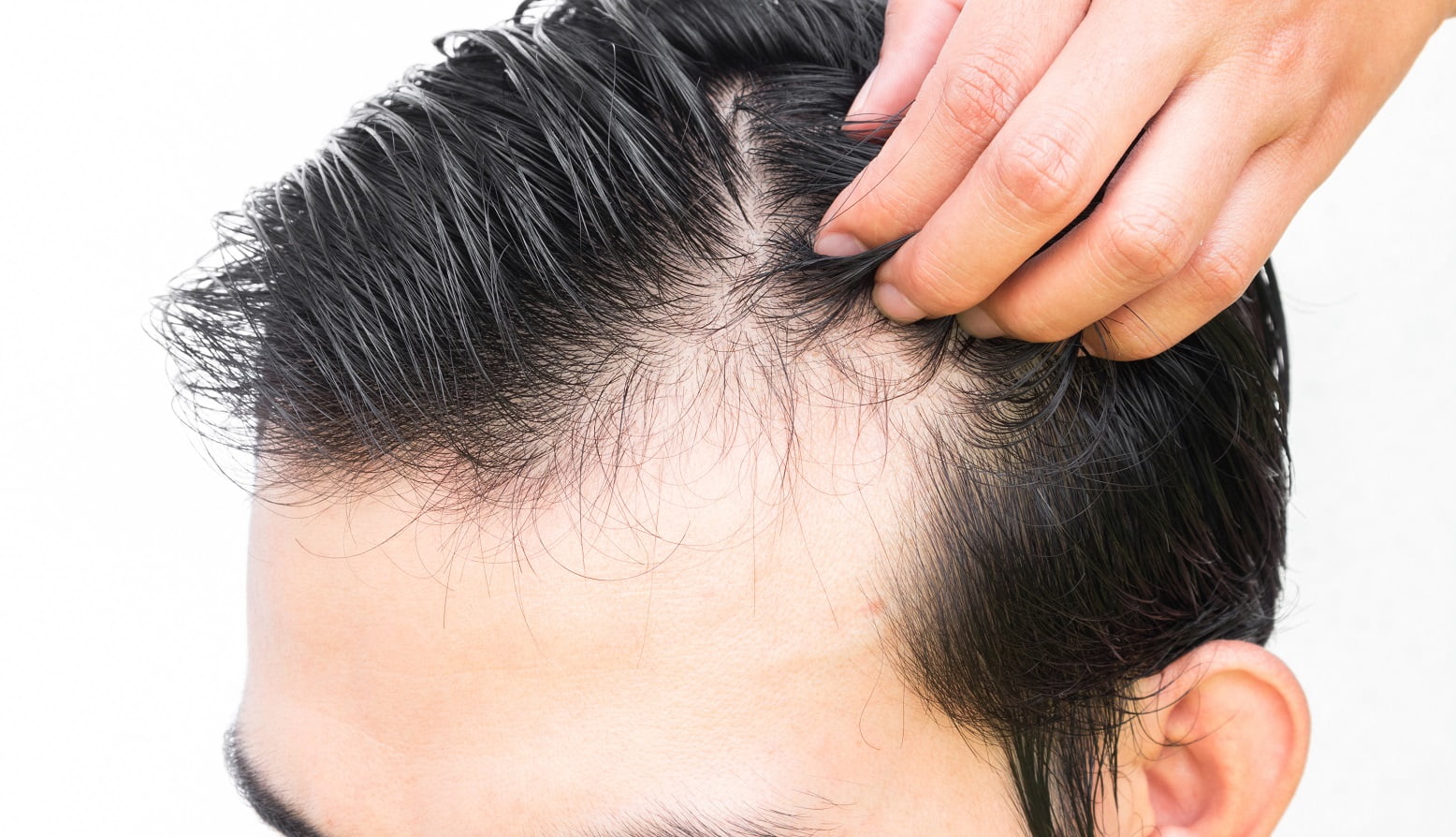
Hair transplant repair offers hope each year to many. They seek to regain youthful hair through transplant procedures. Sadly, not all attempts are successful. Many reasons can cause a transplant to fail. This leaves patients feeling upset and distressed. However, there’s no need to despair. Hair transplant repair is here to help. It offers a second chance to fix past failures and achieve the desired look.

Prices

The repair hair transplant costs 2000 euro in 2025. It can be pricier than standard methods due to extra labor. This is the rate in Turkey, where the process is simple. The price includes services like accommodation, welcome, and shampoo.

Ideal candidates

Ever seen a garden where some plants simply refuse to grow, no matter how much you water them? That’s somewhat similar to why some folks need a hair transplant repair. Some common reasons are:

  • Poor growth after the initial transplant.
  • Scarring from previous surgery.
  • An unnatural appearance of transplanted hair.

Correcting a Wrong Hair Transplant in Turkey

Fixing a failed hair transplant is tricky but doable with a skilled surgeon. Here are several methods they might use:

  1. Adding more hair follicles: If the first transplant wasn’t dense enough, more hair follicles can be added for a natural look.
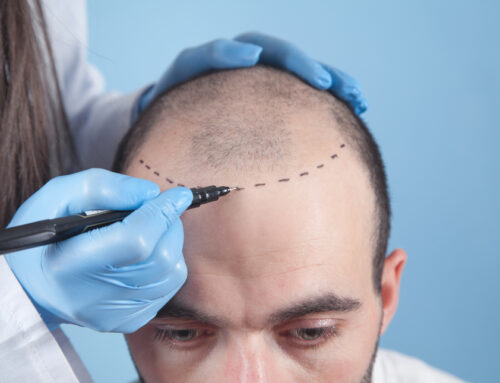
  2. Adjusting the hairline: A too high or unnatural hairline can be lowered or reshaped for a better outcome.
  3. Scar Revision: Visible scars can be improved with techniques like Scalp MicroPigmentation (SMP) or by planting hair around the scar to hide it.
  4. Removing bad grafts: If grafts were placed wrongly, they can be removed and re-implanted correctly using FUE.
  5. Medications: Drugs like minoxidil or finasteride can sometimes enhance hair growth and the transplant result.
RELATED: Natural Hairline for Hair Transplantation

Hair transplant Repair

Additional

Here’s the exciting part.

  • More Transplants: Don’t give up. Sometimes, more rounds of hair transplants can fill in gaps and boost density.
  • Scar Revision: Got scars from a past transplant? This method can greatly lessen their appearance.
  • Follicular Unit Extraction (FUE): Think of this as the premium service in hair transplant repair. It moves individual hair follicles to needed areas, giving a natural look.

Repairing Scarring

Fixing a bad hair transplant and lessening scars demands a skilled approach. Here are some possible solutions:

  1. Fixing Grafts: Incorrectly placed grafts can be removed and repositioned rightly using FUE, without extra damage.
  2. Adding Density: If the first attempt was patchy, adding more follicles can make it look natural, depending on individual needs.
  3. Hairline Redesign: A seasoned surgeon can alter a bad hairline to match the person’s facial features.
  4. Scar Revision: Multiple techniques, including SMP, can decrease scar visibility or camouflage them with tattoo-like follicle illusions.
  5. Medications: Topical or oral treatments like minoxidil or finasteride might be suggested to encourage hair growth and maintain scalp health.

RELATED: Synthetic Hair Transplant

Procedure

Hair transplant repairs are needed when the initial surgery goes awry, causing unnatural results or complications. This can range from fixing an improperly done hairline to treating severe scarring.

  • Need for Repair: Sometimes, transplants can lead to odd-looking hairlines, evident scars, or uneven hair density. At times, they fail due to inadequate aftercare or the body rejecting new hair follicles.
  • Methods: Various methods like Follicular Unit Extraction (FUE), Follicular Unit Transplantation (FUT), or Scalp MicroPigmentation (SMP) can be employed. They help in adding new hair follicles, enhancing the existing ones, or hiding scars.
  • FUE: A process that shifts individual hair follicles from a donor site to the affected area, causing lesser scars than other methods.
  • FUT: A method involving the removal of a scalp strip from the donor site, which is then segmented into units for transplant, possibly leaving a linear scar.
  • SMP: A medical-grade tattooing process, creating an illusion of denser hair or masking scars from earlier surgeries.
  • Risks: Like all surgeries, this too has risks like infection, bleeding, numbness in treated scalp areas, scalp swelling, itching, folliculitis, shock loss, unexpected hair “shedding”, or bizarre-looking hair clusters.
  • Post-Surgery Care: Following the surgery, adhering to the aftercare guidelines is crucial for a positive outcome, involving avoiding certain activities and sun exposure, along with using prescribed meds and shampoos.
  • Expert Advice: In case of dissatisfaction or complications post a hair transplant, consulting a repair specialist is vital for assessing your condition and suggesting the best way forward.
Hair transplant Repair Turkey

Results

Embarking on a hair transplant repair journey isn’t as simple as hopping onto a bus. It requires a strategic roadmap to ensure you reach your desired destination.

  • Step 1: Consultation : Remember that old saying, “two heads are better than one”? A professional consultation will provide you a personalized plan based on your specific needs.
  • Step 2: Choosing the Right Procedure : It’s not about picking the most popular choice; it’s about finding the best fit. Your chosen professional can guide you through the options and recommend the one that suits you best.
  • Step 3: Post-Procedure Care : When the procedure’s over, your journey isn’t. Proper post-procedure care is paramount to ensuring the success of your hair transplant repair.

RELATED: Main Hair Transplantation Studies

Can You Reverse a Hair Transplant?

Have you ever made a decision and later wished you had a magic wand to reverse it? If you’ve had a hair transplant and now you’re regretting it, you might be asking yourself this question. So, can a hair transplant be reversed? Let’s dive into the facts.

The Short Answer

The short answer is, unfortunately, no. Hair transplant is a permanent procedure. During a hair transplant, hair follicles are relocated from one part of your scalp to the area experiencing hair loss. Once these follicles have been transplanted, there’s no turning back.

Why Hair Transplants are Permanent

You may be wondering, “why is it so final?” Here’s the science behind it. Hair transplantation involves the grafting of hair follicles into the scalp’s tiny incisions. These follicles, once grafted, develop a blood supply in their new location and start producing hair. This process makes reversing a hair transplant impossible.

A Possible Solution

While you can’t exactly “reverse” a hair transplant, there are repair options if you’re unhappy with the results. As discussed previously, hair transplant repair procedures such as additional transplants, scar revision, or Follicular Unit Extraction (FUE) can help improve the appearance and rectify previous transplant issues.

Preventing Hair Transplant Regret

Prevention is always better than cure, even when it comes to hair transplants. It’s crucial to do your homework before undergoing a hair transplant. Ensure you have a thorough consultation with a reputable hair restoration specialist, discuss your expectations, and understand the procedure fully to avoid any regret later.

Frequently asked questions

This is one of the most common and significant fears patients have when seeking a repair. An over-harvested donor area (typically the back and sides of the head) can leave the scalp looking “moth-eaten,” scarred, and thin, making you feel as though all hope for a good result is lost.

While this is a serious challenge, it does not automatically mean a successful repair is impossible. The answer depends on a careful evaluation, but this situation is precisely where Body Hair Transplant (BHT) becomes a critical solution.

Here is how we approach this problem:

  1. Honest Scalp Assessment: First, we must realistically assess what viable hair remains in your traditional scalp donor area. In some cases, there may be small, untouched pockets we can safely harvest. However, in severe cases, the scalp donor supply is considered depleted.
  2. Introducing Body Hair Transplant (BHT): When the scalp supply is exhausted, we turn to other donor zones on your body. The two most common and effective BHT sources are:
    • Beard Hair: This is the preferred BHT source. Beard follicles are typically strong, thick (often thicker than scalp hair), and have a high survival rate. They are excellent for adding significant density to the mid-scalp and crown.
    • Chest Hair: While often finer than beard or scalp hair, chest hair can be used effectively to add “filler” density between other hairs, contributing to an overall look of fullness.
  3. A New Strategic Plan: A revision for an over-harvested donor area is not about recreating your original density; it’s about strategic improvement. The goal is to use the limited resources from your scalp (if any) and your BHT resources (beard, chest) to create the best possible illusion of fullness. This may mean prioritizing the hairline and mid-scalp to frame your face, rather than trying to achieve high density everywhere.
  4. Repairing the Donor Area Itself: In some cases, we can also use a small number of BHT grafts, or techniques like Scalp Micropigmentation (SMP), to help camouflage the scarring and ‘moth-eaten’ appearance in the over-harvested donor area.

Conclusion: Do not despair. While your first clinic may have depleted your primary donor source, it does not mean your journey is over. By incorporating BHT, we can often formulate a successful repair plan. A detailed consultation is essential to assess your total available donor hair (scalp, beard, and body) and set realistic goals for your repair.

This is a critical question that requires a transparent and realistic answer. The short answer is: the survival rate in scar tissue is lower and more variable than in a healthy, un-operated (“virgin”) scalp.

It is not possible for any clinic to honestly guarantee the 90-95%+ survival rates you might expect in a healthy scalp. Here is a realistic breakdown of the challenge and the expectations.

1. The Challenge: Reduced Blood Supply

The primary challenge is the blood supply (vascularization). Fibrotic tissue, which makes up a scar, is dense connective tissue that has significantly fewer blood vessels and capillaries than a healthy scalp.

Think of it this way: a new graft is like a tiny organ. It must be “plugged in” to the body’s blood supply within the first few days to receive oxygen and nutrients.

  • Healthy Scalp: This is like planting a seed in fertile, rich soil with a good irrigation system.
  • Scar Tissue: This is like planting the same seed in hard, dry, compacted clay.

Because the “soil” is less fertile, the chances of every “seed” surviving are naturally lower.

2. Realistic Survival Rates

While it varies from patient to patient, a realistic graft survival rate when transplanting directly into a dense FUT scar or a fibrotic recipient area is often in the range of 50% to 75%.

In some cases, such as with very thick, raised (hypertrophic) scars, the survival rate can be even lower.

3. Our Strategy: Managing Expectations and Maximizing Success

We know this is a challenge, and we adapt our technique accordingly. Our goal is not (and should not be) to create full density within the scar, but rather to camouflage it.

  • Goal: The aim is to break up the scar’s solid, visible line and soften its appearance by adding some hair. The hairs that do grow will help conceal the scar, making it far less noticeable.
  • Technique: We must be more conservative. We use slightly different implantation techniques and place the grafts less densely than we would in a healthy scalp. Trying to dense-pack a scar will almost certainly fail, as the limited blood supply would be overwhelmed and unable to support any of the new grafts.
  • Multiple Sessions: Be prepared for the possibility that it may take more than one session to achieve the desired level of camouflage. We may start with a conservative pass, wait to see what grows, and then add more in a second procedure if needed.

Conclusion: Transplanting into scar tissue is a procedure focused on improvement and camouflage, not perfection. While the survival rate is lower, in the hands of an experienced revision surgeon, the final result can successfully “delete” the visible appearance of the scar, which for most patients is a life-changing success.

This decision is one of the most critical strategic choices in a revision surgery, and the answer is based entirely on a personal evaluation. The choice between removal (extraction) and camouflage depends on one simple factor: Are the old grafts “actively harmful” to the final result, or are they just “imperfect”?

Here is how we determine the strategy:

1. When We Recommend REMOVAL (Extraction)

We recommend removal when the old grafts are positioned so poorly that they make a natural result impossible. No amount of new hair can hide them. This includes:

  • A “Pluggy” or “Doll’s Hair” Hairline: The grafts are large, contain too many hairs (e.g., 3-4 hair grafts right at the front), and are spaced too far apart.
  • Critically Bad Position: The hairline was placed far too low on the forehead, or grafts were placed in “dead zones” like the high temples, creating a completely unnatural pattern.
  • Completely Wrong Angle: The grafts are “sticking out” of the scalp at a 90-degree angle instead of lying flat. This is impossible to style and will always look wrong.

In these cases, we must remove the problem before we can build the solution. We use a precise FUE punch to extract these offensive grafts, which can often be recycled and re-implanted correctly.

2. When We Recommend CAMOUFLAGE

We recommend camouflage when the old work is imperfect but “salvageable.” The grafts are not in a disastrous position, but they lack artistry and naturalness. This includes:

  • A Harsh or Abrupt Hairline: The old hairline is too straight or “wall-like,” but it’s not offensively low.
  • Poor Density: The first procedure resulted in a thin, “see-through” look.
  • Minor Angle Issues: The hair direction isn’t perfect, but it’s not sticking straight up.

In these cases, the problem is not the grafts themselves, but what’s missing around them. The solution is to add new, skillfully placed grafts. We camouflage the old work by building a new, soft, single-hair transition zone in front of the harsh hairline, and we add density between the old grafts to blend everything together and create a new, fuller result.

The “Hybrid” Approach

Often, the best strategy is a combination of both. We might remove the 50 most “pluggy” and poorly-angled grafts at the very front of the hairline, and then camouflage the hundreds of imperfect grafts located behind them.

Conclusion: This decision is a core part of the surgical plan. During your consultation, we will analyze your old transplant, point out the specific grafts that are causing the problem, and explain why we recommend either removal or camouflage to achieve your goals.

This is one of the most critical questions a patient can ask, as it directly addresses setting realistic expectations.

The honest answer is that the primary goal is significant improvement, not perfect erasure.

While a successful repair can make the original mistakes virtually invisible, a revision surgeon is almost always working with a set of limitations left by the previous procedure. Our goal is to work within these limitations to give you a result that you can be confident in and that looks natural to the world.

Here’s how to think about it:

1. The Goal: Improvement and Naturalness

Our objective is to make the biggest possible positive change. This means:

  • Restoring Naturalness: The #1 priority. We want to eliminate the “operated” or “pluggy” look. This is often achieved by strategically adding soft, single-hair grafts to camouflage a harsh hairline or by removing a few very badly placed grafts.
  • Camouflaging Damage: This applies to both donor scars (FUT or over-harvested FUE) and “pluggy” recipient areas. The goal is to make these problem areas blend in so they no longer draw the eye.
  • Adding Density: We strategically place new grafts to create the illusion of fullness, helping to hide thin areas and old grafts.

The aim is that when you or someone else looks at you, they see your hair, not your “hair transplant.”

2. The Limitations: Why “Erasure” is Often Impossible

We cannot turn back the clock to a “virgin” scalp. The challenges we must manage include:

  • Limited Donor Supply: The first clinic may have used up or “mined” your best donor hair, forcing us to use BHT or be extremely conservative. We cannot put that wasted donor hair back.
  • Scar Tissue: The scalp is now fibrotic. This means there is less blood supply and the skin is tougher, which can affect new graft survival and healing. We cannot “erase” this scar tissue, only work with it.
  • “Buried” or Damaged Grafts: Sometimes, a previous surgeon’s poor technique has damaged the underlying tissue in a way that cannot be fully undone.

Conclusion: A Successful Revision “Erases” the Problem from Your Daily Life

Think of it this way: We may not be able to erase every single scar or remove every single misplaced hair. But we can create a new, artistic design that is so much better that the old mistakes become background noise.

The “erasure” happens in your day-to-day life: you will no longer be thinking about your bad transplant. You will be able to style your hair with confidence. The visual and psychological burden of the mistake is what we aim to erase.

This is a completely valid and essential question. The hair transplant industry, unfortunately, has a problem with deceptive marketing. It is easy to be “tricked” by photos that use favorable lighting, different hair lengths, “wet” vs. “dry” styling, or by clinics that only show their one or two best results.

Our approach to transparency is built on three pillars to earn your trust, especially as a revision patient.

1. We Use Video, Not Just Photos

Still photos are easy to manipulate. A single, well-lit photo can hide thinness and create an illusion of density. Video is the ultimate truth-teller. Our policy is to document our results with high-definition video. In our gallery, you will see us combing through the patient’s hair, showing it from all angles, under direct light, and in motion. This allows you to see the true texture, density, and natural flow of the hair, which is impossible to fake.

2. We Have a Dedicated Repair Portfolio

You are a revision patient, so you should not be looking at photos of a 25-year-old with minor temple recession. His case has nothing to do with yours. We maintain a specific portfolio dedicated only to revision cases. When you consult with us, we will show you before-and-afters of patients who started in a similar situation to you.

  • See the “Before” Correctly: Our “before” photos are not just of the patient’s original hair loss; they are photos of the bad transplant we are fixing.
  • See the Donor: We also show photos of the healed donor area after our repair, which is critical for patients who have been over-harvested.

3. We Show the Full Story

Our case studies are designed to show the entire journey. We show pictures of the scalp immediately post-op (to show our graft placement strategy) and then at various stages of healing (3 months, 6 months, 12 months+). This demonstrates the healing process on scarred tissue and provides a realistic timeline, not just an “instant” magical result.

Our Promise: We will not show you a curated gallery of our “Top 10” results. We will show you consistent, well-documented results from patients who faced the same challenges you do—FUT scars, “pluggy” hairlines, and over-harvested donor areas. We encourage you to ask to see videos of cases just like yours.

This is an extremely important and valid medical concern. To be left with permanent numbness (sensory loss) means that the superficial nerves in your scalp were likely severed or significantly damaged during the first procedure, and you are right to be cautious.

The short answer is: The risk of worsening existing numbness is very low, as that area is already damaged. The risk of creating new areas of numbness is also significantly minimized with a precise and careful surgical technique.

Here is a detailed breakdown:

1. Why You Have Numbness

Numbness after a transplant is common for a few weeks or months. Permanent numbness is not common and is a sign of a technical error. It is typically caused by one of two things:

  • FUT Strip Surgery: The strip excision itself cuts a large number of sensory nerves. While most patients experience a return of sensation (a process called re-innervation), some are left with permanent numbness, usually above the scar.
  • Aggressive Incisions: In either FUE or FUT, if the surgeon made the recipient incisions (channels) too deep, they can sever the network of tiny sensory nerves that run just under the skin.

2. Assessing the Risk for a Repair

We must separate this into two parts: the area that is already numb, and the healthy areas.

  • Risk to the Numb Area: If an area has been permanently numb for over a year, the nerve damage there is, unfortunately, already done. Operating in this same area again (e.g., to add density) cannot “re-damage” the nerves in a way that makes them “more numb.” The risk of making this specific area worse is virtually zero.
  • Risk to Healthy Areas: This is the real concern. The goal is to perform the repair without causing new numbness in the adjacent areas that still have normal feeling.

3. Our Surgical Approach to Protect Your Nerves

This is where a surgeon’s experience is non-negotiable. Our technique is specifically designed to protect the delicate neurovascular structures of the scalp.

  • Precise Depth Control: The #1 factor. We use custom-sized blades and precise manual control to ensure that our incisions are only as deep as the graft requires (typically 3-4 mm). We are meticulous about staying within this “safe zone,” well above the major nerves.
  • Minimizing Anesthetic Fluid: We use a “tumescent” anesthetic solution to help lift the skin away from the deeper layers, creating an additional buffer of safety. However, we use the minimum amount necessary, as excessive fluid pressure can also compress nerves.
  • Understanding Scar Tissue: We are highly experienced in working within fibrotic (scarred) tissue, which has an altered anatomy. We operate with a more delicate touch precisely because the normal tissue planes are distorted.

Conclusion:

While no surgery is without any risk, the chance of a skilled revision specialist causing new permanent numbness is extremely low. We understand exactly what causes this complication, and our entire procedure is designed to prevent it. We will proceed with the utmost caution to protect the healthy sensation you have left.

This is an excellent and very common question. Patients are understandably worried that operating on an area that is already scarred (from a previous strip surgery/FUT or poorly executed FUE) will be a more difficult experience.

Here’s a clear breakdown of what to expect:

1. Pain

No, the surgery itself should not be more painful. The primary reason is the effectiveness of local anesthesia. We will ensure the entire recipient area, including all scar tissue, is completely numb before the procedure begins. You should not feel pain during the implantation, regardless of whether the skin is scarred or “virgin.”

Some patients report that the post-operative sensations in scarred areas can feel slightly different—perhaps more “tight” or “itchy” than the first time. However, this is typically mild, and any post-operative discomfort is well-managed with the standard pain medication we prescribe.

2. Healing

Yes, the healing process can be different and often takes longer. This is the most important part to understand.

  • Why? Scar tissue (fibrosis) has a significantly reduced blood supply (vascularization) compared to healthy, un-operated scalp tissue. This compromised blood flow affects healing in two ways:
  • Initial Recovery: You may experience redness and scabbing that persists for a few days longer than in a normal procedure. The tissue is simply slower to repair itself.
  • Graft Growth: This is the critical difference. Because the new grafts depend entirely on the surrounding blood supply to survive and grow, healing in scar tissue is a more delicate process. The growth of the transplanted hairs may be delayed, and the final result may take longer to mature—sometimes 15 to 18 months, instead of the standard 12.

Our Approach:

We are experts in handling revision cases. We specifically adapt our technique for scarred tissue by creating the recipient sites more carefully and ensuring we do not place grafts too densely, which could overwhelm the limited blood supply. We manage this process with you, but patience is key. The healing is slower, but a successful, natural-looking result is still our primary goal.

This is one of the most important questions a revision patient can ask, as it directly addresses the “hair mill” model that is responsible for so many poor results. We understand this fear completely.

Our clinic operates on a surgeon-led philosophy, which is the direct opposite of a technician-run “hair mill.”

Here is the exact breakdown of who performs each critical stage of your revision procedure:

  1. Surgical Planning and Hairline Design:
    • Who: 100% the lead surgeon.
    • Why: This is the “architectural” phase. Creating a natural, age-appropriate hairline and planning how to blend new hair with old, damaged work is a task of pure surgical art and experience. This is never delegated.
  2. Site Creation (Channel Opening / Incisions):
    • Who: 100% the lead surgeon.
    • Why: This is arguably the most critical technical stage. The surgeon personally makes every single incision to dictate the precise angle, direction, depth, and density pattern of each new hair. This is what creates a natural, “non-transplanted” look and ensures the best blood supply for grafts placed in scarred tissue. This responsibility is never given to a technician.
  3. Graft Extraction (FUE):
    • Who: 100% the lead surgeon.
    • Why: In a revision case, extraction is a delicate surgical procedure, not a simple harvesting task. Your surgeon must personally navigate scarred donor tissue, avoid creating new “moth-eaten” patterns, and skillfully harvest delicate Body Hair Transplant (BHT) grafts (like from the beard) without causing visible damage. This requires a surgeon’s judgment and hand.

Where does our expert team assist?

Our team of highly-skilled, senior technicians works alongside the surgeon in two key roles:

  • Graft Preparation: They meticulously prepare and sort the grafts extracted by the surgeon under high-powered microscopes.
  • Graft Placement: They carefully place the prepared grafts into the recipient sites that have been created by the surgeon.

Our Promise: Your surgeon is not just a consultant who draws a line on your head and disappears. They will be in the room, performing the critical surgical and artistic components of your procedure from start to finish. This hands-on, surgeon-led approach is fundamental to a successful revision.

This is a vital distinction to make. A surgeon who achieves good results on a “virgin” scalp (a standard first-time procedure) may not have the specialized skills required for a complex repair. Revision surgery is an entirely different and more demanding field.

Our practice is not just a standard transplant clinic; we are a referral center for complex revision cases. Our surgeon’s expertise is built on a foundation specifically focused on these challenges:

  1. A Focus on Revisions: A significant percentage of our daily work is dedicated to fixing poor results from other clinics. This isn’t something we do occasionally; it’s a core specialty. This constant exposure to “worst-case scenarios”—severe scarring, depleted donors, and “pluggy” hairlines—has built a unique surgical skillset.
  2. Expertise in Body Hair Transplant (BHT): Many repair cases are impossible without an alternative donor source. Our surgeon is an expert in the delicate and advanced techniques of BHT, including the meticulous harvesting of beard and chest hair. This is a qualification that many standard clinics do not offer or have experience with.
  3. Advanced Scar Revision Techniques: We don’t just “plant hair.” Our surgeon is experienced in advanced surgical techniques to handle fibrotic (scarred) tissue, including surgical scar excision (removing an old FUT scar) and advanced implantation methods that maximize graft survival in compromised, low-blood-supply areas.
  4. Professional Recognition and Leadership (ISHRS): Our surgeon is an active, standing member of the International Society of Hair Restoration Surgery (ISHRS). This isn’t just a certificate; it means adherence to the highest global ethical and medical standards. It also signifies a commitment to continuous education, staying at the forefront of the latest techniques in repair surgery discussed at global conferences.
  5. A Demonstrable Portfolio of Repairs: As discussed, our surgeon’s experience is best proven by our results. We have an extensive portfolio of video and photo documentation specifically for complex repairs, demonstrating a consistent track record of turning difficult situations into natural-looking results.

Conclusion: You are correct to seek a specialist. The skillset that created the problem cannot be the one that solves it. You need a surgeon who considers “standard” transplants to be simple and who has built their reputation on handling the most complex challenges, which is the exact focus of our clinic.

This is a critical set of questions, as understanding the characteristics of Body Hair Transplant (BHT) grafts is essential.

The short answer is: Yes, beard hair is different, and these differences are exactly why we use it as a strategic tool in revisions.

Here is a clear breakdown:

1. Will it Look and Feel Different? (Texture & Appearance)

Yes. Beard hair is typically much thicker and coarser (more wiry) than your scalp hair.

  • This is an advantage: This thickness (caliber) is its greatest strength. A single beard follicle can provide the visual density of two or even three fine scalp hairs. This makes it incredibly valuable for adding fullness to the mid-scalp and crown, which are often left thin in a repair case.
  • How we use it: We never use beard hair to build the soft, frontal hairline. That would look unnatural. Instead, we blend the beard grafts strategically among your existing scalp hair (or other transplanted scalp hair). When mixed in this way, the coarser texture is not noticeable; the only visible result is a powerful boost in overall density.

2. Will it Grow to the Same Length? (Growth Cycle)

No, and this is the most important characteristic to understand.

  • It retains its original “DNA”: A hair follicle transplanted from your beard to your scalp remains a beard hair. It remembers its original programming.
  • Shorter Growth Cycle: Scalp hair has a very long growth (anagen) phase, allowing it to grow for years and become very long. Beard hair has a much shorter growth phase, typically just a few months to a year, before it rests and sheds.
  • What this means for you: The transplanted beard hairs will grow, but they will “max out” at a much shorter length than your scalp hair (e.g., a few inches).

For 99% of patients, this is not a practical issue. If you wear your hair in a short-to-medium style, you will be trimming your scalp hair long before the beard hairs reach their maximum length. The difference in potential length is therefore never seen. This would only be a consideration if your goal was to grow your hair down to your shoulders.

Conclusion: Beard hair is a powerful “filler” tool. We use its thickness to create density that would be impossible to achieve with a depleted scalp donor. By blending it skillfully in the correct zones, we harness its strengths while making its different texture and shorter growth cycle visually irrelevant.

This is a critical question, and the right answer depends entirely on the nature of your scar and your hairstyle goals. We don’t believe in a “one-size-fits-all” solution; we see SMP (Scalp Micropigmentation) and surgery as two different tools for two different jobs.

Here is how we decide which approach is best for you:

1. When SMP Alone is the Best Choice

SMP is a 2D cosmetic tattoo that creates the illusion of density by reducing the color contrast between your skin and your hair.

We recommend SMP as the primary solution if:

  • Your scar is flat and pale (hypopigmented): If the scar is not raised or sunken, but just “white” and shiny, SMP is perfect for coloring it in to match your surrounding scalp.
  • You keep your hair in a “buzz cut” or shaved style: If you wear your hair at a #1 or #2 guard, or fully shaved, SMP is the most effective tool. It replicates the look of shaved follicles and blends the scar perfectly into that “stubble” look.
  • Your donor hair is completely depleted: If you have no grafts left (scalp or BHT) for a surgical repair, SMP is the only viable option for camouflage.

2. When Surgery (Grafting) is Necessary

Surgery (transplanting hair into the scar) adds real, 3D texture.

We recommend surgery as the primary solution if:

  • Your scar is raised (hypertrophic) or sunken (atrophic): The main problem here is texture, not just color. SMP on a raised scar looks like a “tattooed bump.” Surgery is needed to break up this scar tissue and add 3D hair follicles.
  • You wear your hair longer: If you wear your hair at a #3 guard or longer, SMP will not help. You need real hair with length to grow out and cover the scar, blending in with the hair above and below it.

3. The “Gold Standard”: The Combined Approach

For most patients with significant FUT scars who want to wear their hair with some length, the most powerful, “gold standard” solution is a combination of both.

This is a two-stage process that gives a truly comprehensive repair:

  • Stage 1: Surgery First. We transplant a conservative number of grafts (often beard or scalp FUE) directly into the scar. We are not trying to create 100% density; we are using the 3D hairs to break up the scar’s texture and smooth surface.
  • Stage 2: SMP Second. After waiting 9-12 months for the new hair to grow, we assess the result. We then use SMP between the newly transplanted hairs to shade the small areas of remaining visible scar.

This “Surgery + SMP” combination attacks the problem from both angles: the surgery fixes the 3D texture, and the SMP fixes the 2D color contrast. This holistic approach is how we achieve the most complete and undetectable scar camouflage.

Last Update : 20.10.2025